
Back to Blog|19 January 20265 min read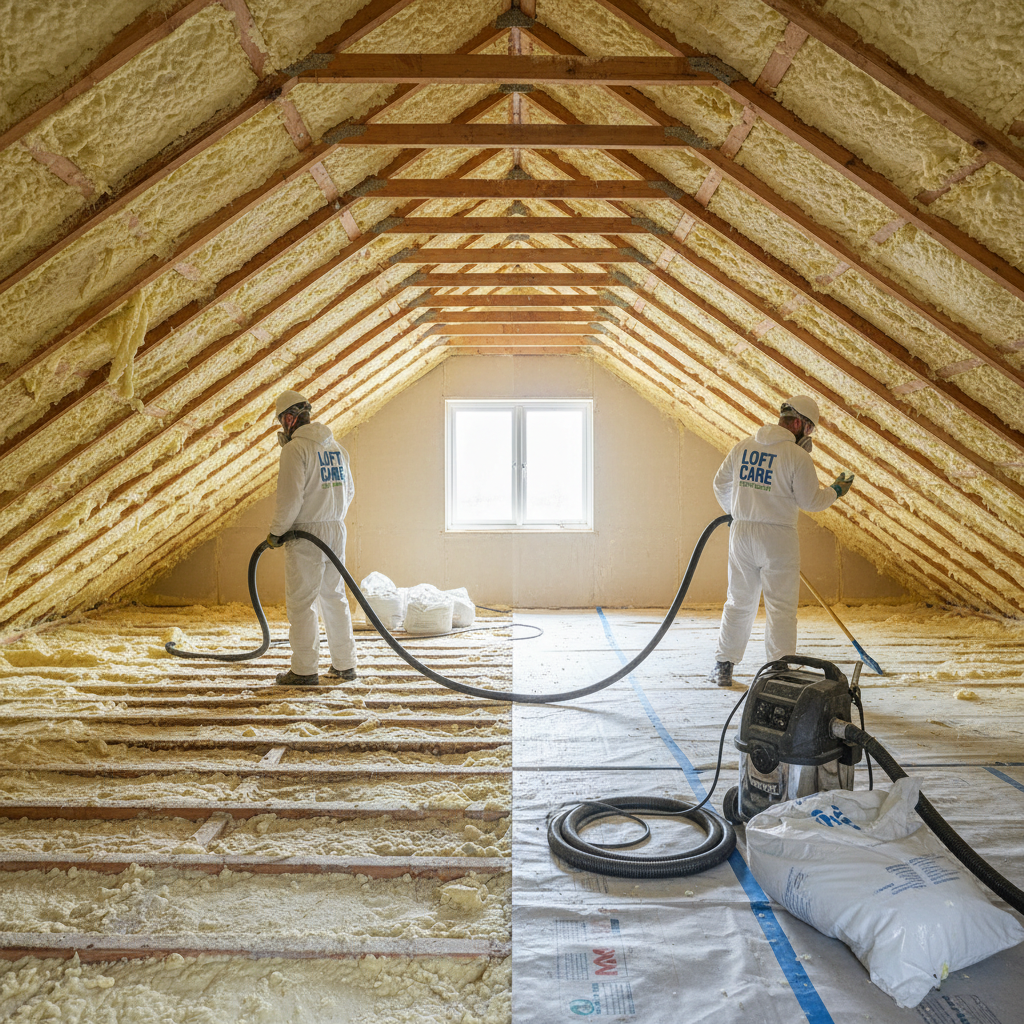
guides
Alternatives To Spray Foam Insulation | UK Expert Guide 2026
R
Revive Maintenance Team
Verified Expert
⚠️ Scam Warning: revivemaintenance.co.uk is NOT our website. We are Revive Maintenance Ltd at sprayfoamremovalhelp.co.uk. Read warning →
Revive Maintenance Team
Verified Expert
Meta Description: Discover effective alternatives to spray foam insulation for your UK home. Learn about benefits, costs, and how to choose the best option for your property.
URL: www.revivemaintenance.co.uk/alternatives-to-spray-foam-insulation
As a UK homeowner, you may have considered spray foam insulation to enhance your property's energy efficiency. However, recent developments have highlighted significant challenges associated with its use. Mortgage lenders are increasingly cautious about properties with spray foam insulation due to concerns over structural integrity and potential hidden issues. This has led to difficulties in selling or remortgaging homes equipped with this type of insulation. (estateagenttoday.co.uk)
In this comprehensive guide, we'll explore viable alternatives to spray foam insulation, focusing on options that are both effective and widely accepted in the UK market. With over 15 years of experience in property maintenance and insulation solutions, Revive Maintenance is committed to providing you with expert advice to make informed decisions about your home's insulation needs.
Spray foam insulation has been a popular choice for enhancing energy efficiency in homes. However, due to recent challenges, many homeowners are seeking alternative insulation methods. In the UK, several options are available that offer effective thermal performance without the associated complications of spray foam.
Mineral Wool Insulation
Mineral wool, also known as rock or slag wool, is a versatile insulation material made from natural or recycled minerals. It is non-combustible, providing excellent fire resistance, and offers good thermal and acoustic insulation properties. Mineral wool is available in batts, rolls, and loose-fill forms, making it suitable for various applications, including lofts, walls, and floors.
Rigid Board Insulation
Rigid board insulation consists of dense, rigid panels made from materials such as polystyrene, polyisocyanurate, or polyurethane. These boards provide high thermal resistance and are commonly used in areas requiring moisture resistance, such as basements and external walls. They are easy to install and can be cut to fit specific spaces.
Natural Insulation Materials
For those seeking eco-friendly options, natural insulation materials like sheep's wool, hemp, and cellulose offer sustainable alternatives. These materials are biodegradable, have low environmental impact, and provide good thermal and acoustic insulation. They are particularly suitable for older properties where breathability is essential.
Blown-In Insulation
Blown-in insulation involves using a machine to blow loose-fill materials, such as cellulose or mineral wool, into cavities within walls or attics. This method is effective for filling gaps and voids, providing consistent coverage. It's a cost-effective solution for retrofitting existing homes.
Choosing the right insulation is crucial for maintaining your property's value and ensuring its marketability. The presence of spray foam insulation can significantly impact your property's appeal to potential buyers and lenders.
Mortgage Implications
Many UK mortgage lenders are increasingly cautious about properties with spray foam insulation. Concerns include potential hidden structural damage, difficulty in assessing roof conditions, and the high cost of removal. Some lenders may refuse to approve mortgages for such properties, making it challenging to sell or remortgage your home. (simmonstaylorhall.co.uk)
RICS Surveyor Guidance
The Royal Institution of Chartered Surveyors (RICS) advises that the presence of spray foam insulation could affect a surveyor's professional opinion of value. If spray foam has been applied incorrectly or to a listed property without prior consent, this will be reflected in the surveyor's valuation. (rics.org)
Property Value Impact
Properties with spray foam insulation may experience a reduction in value due to the associated risks and complications. Buyers may be deterred by the potential costs and challenges of removal, leading to lower offers or prolonged time on the market. (estateagenttoday.co.uk)
Insurance Considerations
Insurance providers may also be hesitant to offer coverage for properties with spray foam insulation. Some insurers may refuse to provide buildings insurance or may charge significantly higher premiums due to the perceived risks associated with spray foam. (simmonstaylorhall.co.uk)
Selecting the appropriate insulation for your home involves considering various factors, including thermal performance, cost, installation process, and long-term benefits. Here's a step-by-step breakdown to guide you through the process:
1. Assess Your Property's Needs
Conduct an Energy Audit: Evaluate your home's current energy efficiency to identify areas that require improvement.
Determine Insulation Requirements: Based on the audit, decide which areas (loft, walls, floors) need insulation.
2. Explore Suitable Insulation Materials
Mineral Wool Insulation: Offers excellent thermal and acoustic properties, suitable for various applications.
Rigid Board Insulation: Provides high thermal resistance and is ideal for areas requiring moisture resistance.
Natural Insulation Materials: Eco-friendly options like sheep's wool and hemp are sustainable and breathable.
Blown-In Insulation: Effective for filling gaps and voids, suitable for retrofitting existing homes.
3. Evaluate Costs and Budget
Material Costs: Prices vary depending on the type of insulation. For example, mineral wool can cost between £5 to £10 per square meter, while natural materials may range from £10 to £20 per square meter.
Installation Costs: Professional installation may add £10 to £20 per square meter to the total cost.
Potential Savings: Consider long-term energy savings and potential increases in property value.
4. Plan the Installation Process
Choose a Reputable Installer: Ensure the installer is certified and experienced in handling the chosen insulation material.
Obtain Necessary Approvals: For listed buildings or properties in conservation areas, seek required permissions before proceeding.
Schedule Installation: Plan for minimal disruption and ensure all safety measures are in place.
5. Post-Installation Considerations
Obtain Documentation: Keep records of the installation, including warranties and compliance certificates.
Monitor Performance: Regularly check for signs of dampness or condensation to address issues promptly.
Homeowners may encounter specific challenges when considering insulation alternatives. Here are some common issues and expert solutions:
1. Moisture and Dampness
Problem: Improper installation can lead to trapped moisture, causing dampness and potential structural damage.
Solution: Ensure proper ventilation and moisture control during installation. Regularly inspect for signs of dampness and address issues promptly.
2. Installation Quality
Problem: Subpar installation can compromise insulation effectiveness and lead to future problems.
Solution: Hire certified and experienced professionals. Verify their credentials and review previous work to ensure quality installation.
3. Compatibility with Property Type
Problem: Certain insulation materials may not be suitable for all property types, especially older or listed buildings.
Solution: Consult with a surveyor or insulation expert to determine the most appropriate material for your property.
4. Cost Considerations
Problem: High upfront costs can be a barrier to upgrading insulation.
Solution: Explore government grants or incentives for energy efficiency improvements. Consider the long-term savings on energy bills to justify the investment.
5. Environmental Impact
Problem: Some insulation materials may have a higher environmental footprint.
Solution: Opt for sustainable and eco-friendly materials, such as natural insulations like sheep's wool or hemp.
6. Fire Safety
Problem: Certain insulation materials may pose fire risks if not properly installed.
Solution: Choose fire-resistant materials and ensure compliance with UK building regulations regarding fire safety.
7. Noise Insulation
Problem: Insufficient acoustic insulation can lead to noise disturbances.
Solution: Select materials with good soundproofing qualities, such as mineral wool, to enhance acoustic comfort.
8. Pest Infestation
Problem: Some insulation materials can attract pests.
Solution: Use pest-resistant materials and ensure proper sealing to prevent infestations.
9. Installation Time
Problem: Extended installation periods can disrupt daily life.
Solution: Plan installations during convenient times and communicate with installers to minimize disruption.
**
independently verified spray foam removal specialists with over 1,000 successful removals. Fully insured, directly employed engineers, and the only UK company to include free replacement insulation with every removal.
Professional spray foam removal, Superfoil installation & property assessments
Request a detailed quote for your property - 24hr response guaranteed
Read more industry insights and spray foam removal guides
Stay informed about spray foam risks and mortgage implications
Continue reading related topics about spray foam removal and insulation
When researching spray foam removal, homeowners may come across various websites offering advice, quotes, or referrals. Here is what you need to know before choosing who to call.
Looking for spray foam removal advice? Before hiring any company, here is exactly what you need to check — insurance, certification, reviews, and documentation.
Not every spray foam removal website does the work. Many are lead generation sites that sell your enquiry. Here is how to tell the difference — and why it matters.