
Back to Blog|20 January 20265 min read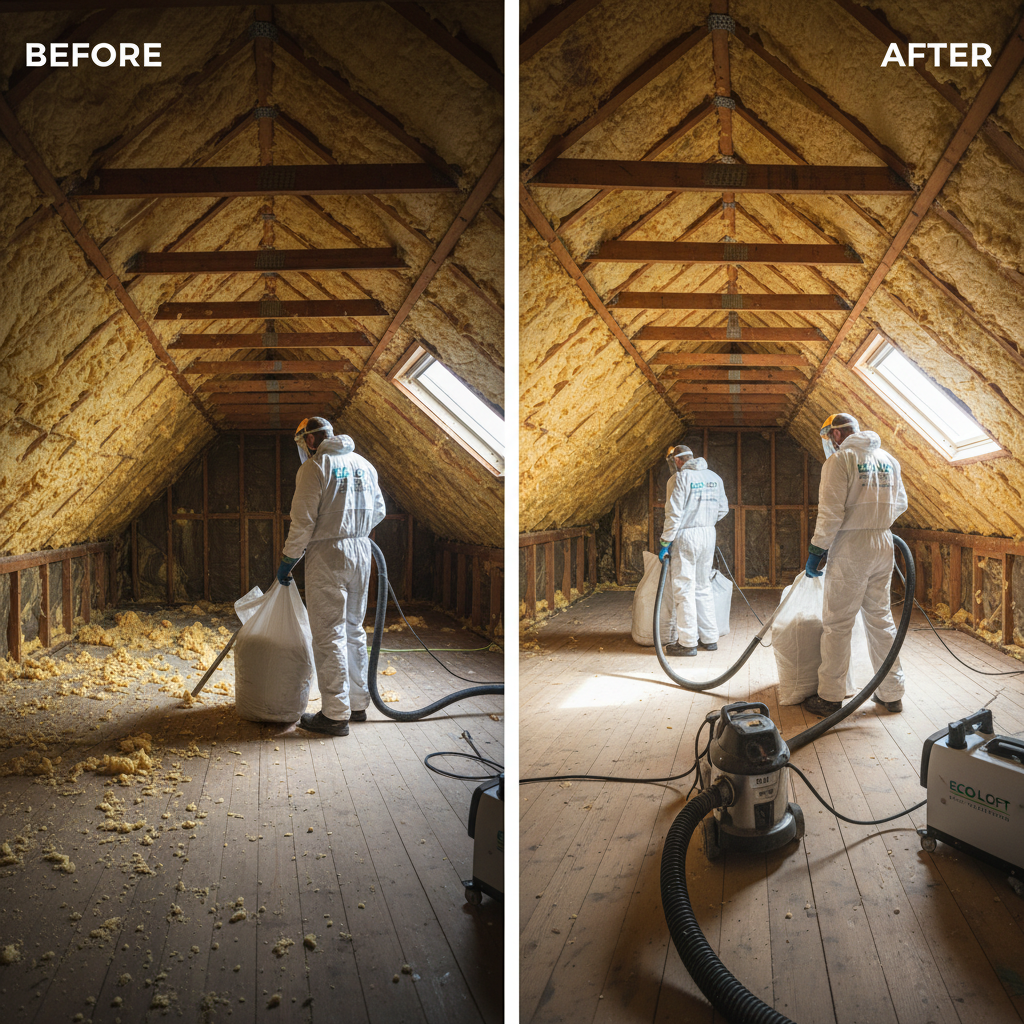
guides
Spray Foam Insurance Problems | UK Expert Guide 2026
R
Revive Maintenance Team
Verified Expert
⚠️ Scam Warning: revivemaintenance.co.uk is NOT our website. We are Revive Maintenance Ltd at sprayfoamremovalhelp.co.uk. Read warning →
Revive Maintenance Team
Verified Expert
Meta Description: Discover the challenges UK homeowners face with spray foam insulation, including insurance issues, mortgage refusals, and property devaluation. Learn about removal services and solutions.
URL: /spray-foam-insurance-problems-uk
Imagine investing in your home's insulation, only to find that it becomes a barrier to selling or refinancing your property. Spray foam insulation, once hailed for its energy efficiency, has become a significant concern for UK homeowners due to insurance complications. This comprehensive guide delves into the intricacies of spray foam insurance problems, offering insights, solutions, and expert advice to navigate this complex issue.
With over 15 years of experience in property maintenance and a team of certified professionals, we understand the challenges homeowners face. Our commitment to quality and customer satisfaction has made us a trusted name in the industry.
Spray foam insulation involves applying a polyurethane foam to surfaces, creating an airtight seal that enhances energy efficiency. However, in the UK, this insulation method has led to significant insurance challenges for homeowners.
Definition and Context
Spray foam insulation is a method where a liquid foam is sprayed onto surfaces, expanding and hardening to form an insulating layer. While it offers benefits like improved thermal performance, it has raised concerns among insurers and mortgage lenders.
Recent Statistics (2024-2026)
Mortgage Refusals: Approximately 70-80% of UK mortgage lenders have policies against approving loans for properties with spray foam insulation. (nationalsprayfoamadvice.co.uk)
Property Devaluation: Homes with spray foam insulation have experienced a devaluation ranging from £20,000 to £50,000, making them less attractive to potential buyers. (nationalsprayfoamadvice.co.uk)
Why It Matters for UK Homeowners
The prevalence of spray foam insulation in UK homes has led to widespread insurance issues. Properties with this insulation often face difficulties in securing mortgages, insurance coverage, and may experience a decline in market value.
Understanding the implications of spray foam insulation is crucial for homeowners, especially concerning mortgages, property value, and insurance considerations.
Mortgage Implications
Major UK lenders, including Nationwide and Halifax, have stringent policies regarding properties with spray foam insulation. Many outright refuse to lend on such properties, while others require extensive surveys and higher deposits. (dampsolutionsdirect.co.uk)
RICS Surveyor Guidance
The Royal Institution of Chartered Surveyors (RICS) advises that spray foam insulation can conceal structural defects, making it challenging to assess the true condition of a property. This lack of transparency can lead to valuation downgrades or outright refusals. (ashallsurveyors.co.uk)
Property Value Impact
Properties with spray foam insulation often face reduced marketability. Potential buyers may be deterred due to the associated risks, leading to longer time on the market and potential devaluation. (estateagenttoday.co.uk)
Insurance Considerations
Insurers are increasingly cautious about properties with spray foam insulation. The inability to inspect underlying structures and the potential for hidden damage make it difficult for insurers to accurately assess risk, leading to policy refusals or increased premiums. (nationalsprayfoamadvice.co.uk)
Navigating the challenges posed by spray foam insulation requires a comprehensive understanding of the issues, potential solutions, and the steps involved in addressing them.
Step-by-Step Breakdown
Assessment: Engage a certified surveyor to evaluate the condition of your property and the impact of spray foam insulation.
Documentation: Obtain detailed reports and certificates from professionals to present to lenders and insurers.
Removal (if necessary): If spray foam insulation is deemed problematic, consider professional removal services to restore your property's condition.
Repairs: Address any underlying issues uncovered during the assessment, such as timber decay or structural damage.
Re-insulation: After removal and repairs, re-insulate your property with materials acceptable to lenders and insurers.
Timeline Expectations
Assessment and Documentation: 1-2 weeks
Removal and Repairs: 2-4 weeks, depending on property size and complexity
Re-insulation: 1-2 weeks
Cost Factors
Assessment and Documentation: £300 - £500
Removal Services: £2,500 - £12,000, based on property size and foam type (foamfighters.uk)
Repairs and Re-insulation: Costs vary widely; obtain quotes from certified professionals
Materials/Equipment Needed
For Removal: Specialized tools and equipment for safe extraction of spray foam
For Repairs: Materials for timber treatment, structural repairs, and re-insulation
Homeowners often encounter specific issues related to spray foam insulation. Understanding these problems and their solutions is essential.
1. Concealed Structural Defects
Problem: Spray foam can hide issues like timber rot or leaks, making them difficult to detect.
Solution: Engage a certified surveyor to conduct a thorough inspection and identify any hidden problems.
Warning Signs: Musty odors, visible dampness, or sagging ceilings.
2. Moisture Trapping and Timber Decay
Problem: Improperly installed spray foam can trap moisture, leading to timber decay.
Solution: Ensure proper installation by qualified professionals and consider removal if decay is present.
Warning Signs: Discoloration, soft spots, or visible mold.
3. Difficulty in Removal
Problem: Removing spray foam is complex and can damage underlying structures if not done correctly.
Solution: Hire certified removal services experienced in handling spray foam insulation.
Warning Signs: Difficulty in selling the property or obtaining insurance.
4. Mortgage Refusals
Problem: Many lenders refuse mortgages on properties with spray foam insulation.
Solution: Obtain a professional removal certificate and consider re-insulating with acceptable materials.
Warning Signs: Mortgage application rejections or delays.
5. Insurance Coverage Issues
Problem: Insurers may refuse coverage due to the risks associated with spray foam insulation.
Solution: Remove the spray foam and provide insurers with necessary documentation.
Warning Signs: Increased premiums or policy cancellations.
Understanding the financial implications of spray foam insulation issues is crucial for homeowners.
London vs. Regional Pricing
London: Higher costs due to increased labor rates and disposal fees.
Regional Areas: Generally lower costs, but can vary based on local market conditions.
Cost Comparison Table
| Service | London (£) | Regional (£) | |-------------------------|------------|--------------| | Assessment & Documentation | 400 | 300 | | Removal Services | 3,000 - 15,000 | 2,500 - 12,000 | | Repairs & Re-insulation | Varies | Varies |
Factors Affecting Price
Property Size: Larger properties require more time and resources.
Foam Type: Closed-cell foam is more challenging to remove than open-cell foam.
Accessibility: Difficult-to-reach areas increase labor costs.
ROI and Property Value Recovery
Investing in professional removal and re-insulation can restore property value and marketability, potentially recovering the initial investment.
Deciding between professional services and DIY approaches is a common dilemma.
Safety Considerations
Professional: Trained to handle hazardous materials safely.
DIY: Increased risk of exposure to harmful substances.
Time Investment
Professional: Efficient and timely completion.
DIY: Time-consuming and potentially incomplete.
Quality Comparison
Professional: Guaranteed quality and compliance with regulations.
DIY: Unpredictable results and potential for errors.
When to Call Experts
If you encounter issues like concealed damage, moisture problems, or if the removal process is beyond your expertise, it's advisable to consult professionals.
Real-life scenarios illustrate the challenges and solutions related to spray foam insulation.
Case Study 1: The Smith Family
Background: The Smiths installed spray foam insulation to improve energy efficiency.
Issue: Faced mortgage refusal
independently verified spray foam removal specialists with over 1,000 successful removals. Fully insured, directly employed engineers, and the only UK company to include free replacement insulation with every removal.
Professional spray foam removal, Superfoil installation & property assessments
Request a detailed quote for your property - 24hr response guaranteed
Read more industry insights and spray foam removal guides
Stay informed about spray foam risks and mortgage implications
Continue reading related topics about spray foam removal and insulation
When researching spray foam removal, homeowners may come across various websites offering advice, quotes, or referrals. Here is what you need to know before choosing who to call.
Looking for spray foam removal advice? Before hiring any company, here is exactly what you need to check — insurance, certification, reviews, and documentation.
Not every spray foam removal website does the work. Many are lead generation sites that sell your enquiry. Here is how to tell the difference — and why it matters.