
Back to Blog|25 January 20265 min read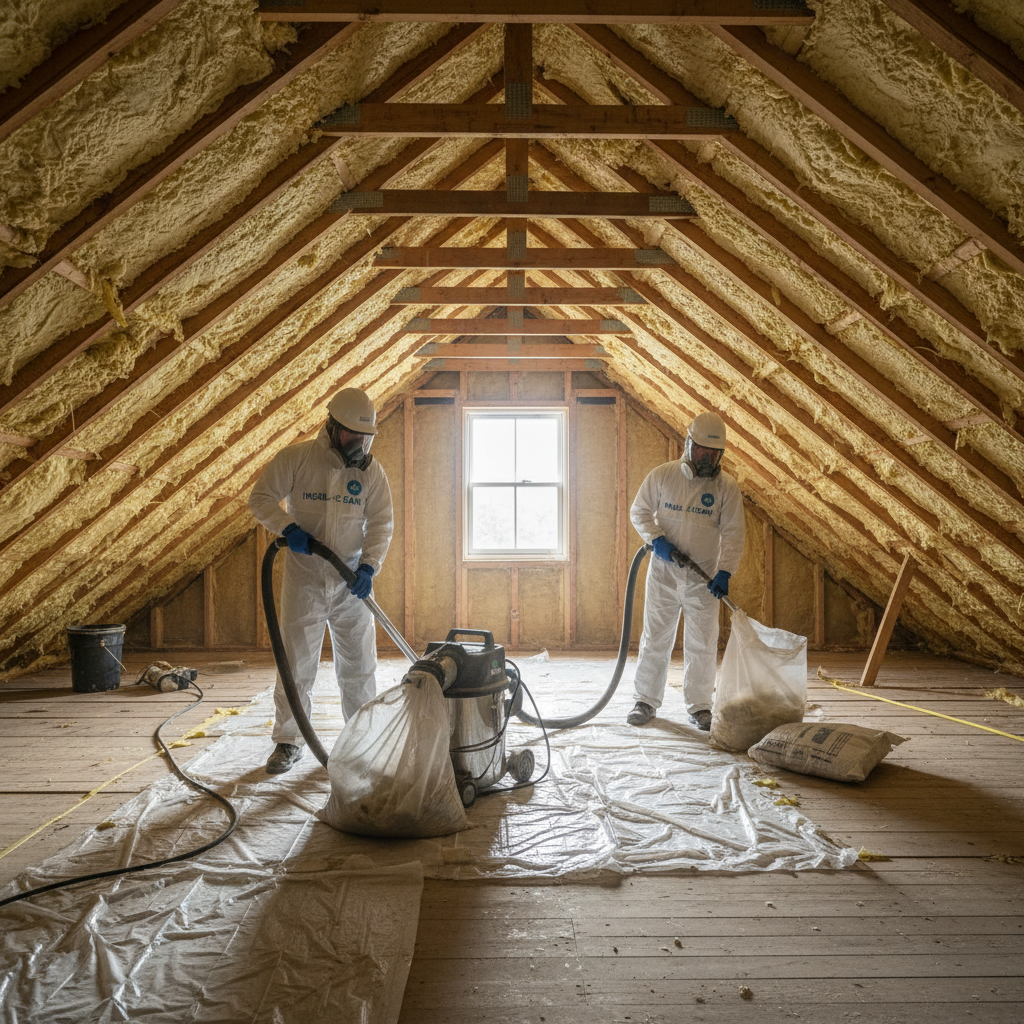
guides
How To Remove Spray Foam From Loft | UK Expert Guide 2026
R
Revive Maintenance Team
Verified Expert
⚠️ Scam Warning: revivemaintenance.co.uk is NOT our website. We are Revive Maintenance Ltd at sprayfoamremovalhelp.co.uk. Read warning →
Revive Maintenance Team
Verified Expert
Meta Description: Discover expert methods for removing spray foam from your loft, including costs, professional vs. DIY approaches, and essential considerations for UK homeowners.
URL: /how-to-remove-spray-foam-from-loft
Introduction
If you're a UK homeowner grappling with the challenge of removing spray foam from your loft, you're not alone. Many have faced similar issues, often leading to unexpected financial burdens and potential property complications. Understanding the intricacies of spray foam removal is crucial to safeguard your property's value and ensure compliance with UK regulations.
In this comprehensive guide, we'll delve into:
With over 15 years of experience in property maintenance and insulation services, our team is certified by the Royal Institution of Chartered Surveyors (RICS) and adheres to all UK building regulations.
Spray foam insulation involves applying a polyurethane foam to surfaces, expanding to fill gaps and providing thermal insulation. While effective, it has become a concern for UK homeowners due to potential issues such as moisture retention, hidden timber damage, and compromised ventilation.
UK-Specific Context
In the UK, properties with spray foam insulation have faced challenges during property sales and mortgage approvals. Lenders and surveyors often flag spray foam as a high-risk feature, leading to declined mortgage applications and reduced property values. This trend has been observed in recent years, with an increasing number of properties encountering such issues.
Recent Statistics (2024-2026)
Why It Matters for UK Homeowners
For UK homeowners, removing spray foam is often essential to:
Mortgage Implications
Mortgage lenders, including Nationwide and Halifax, have expressed concerns over properties with spray foam insulation. The primary issues include:
RICS Surveyor Guidance
The Royal Institution of Chartered Surveyors (RICS) has issued guidance highlighting the risks associated with spray foam insulation. Surveyors are trained to identify spray foam as a high-risk feature, which can lead to failed surveys and complications in property transactions. (sprayfoamremovaladvice.co.uk)
Property Value Impact
Properties with spray foam insulation may experience:
Insurance Considerations
Insurance companies may:
Step-by-Step Breakdown
Initial Assessment:
Preparation:
Removal Process:
Waste Disposal:
Post-Removal Inspection:
Certification:
Timeline Expectations
Cost Factors
Materials/Equipment Needed
Moisture Damage:
Structural Damage:
Difficulty in Removal:
Health Risks:
Cost Overruns:
London vs. Regional Pricing
Cost Comparison Table
| Property Size | Estimated Cost | Duration | Notes | |---------------|----------------|----------|-------| | Small Loft | £2,000 – £3,500 | 1–2 days | Easier access | | Medium Loft | £3,500 – £5,000 | 2–3 days | Standard complexity | | Large Loft | £5,000 – £8,000 | 3–5 days | Complex removal |
Factors Affecting Price
ROI and Property Value Recovery
Investing in spray foam removal can lead to:
independently verified spray foam removal specialists with over 1,000 successful removals. Fully insured, directly employed engineers, and the only UK company to include free replacement insulation with every removal.
Professional spray foam removal, Superfoil installation & property assessments
Request a detailed quote for your property - 24hr response guaranteed
Read more industry insights and spray foam removal guides
Stay informed about spray foam risks and mortgage implications
Continue reading related topics about spray foam removal and insulation
When researching spray foam removal, homeowners may come across various websites offering advice, quotes, or referrals. Here is what you need to know before choosing who to call.
Looking for spray foam removal advice? Before hiring any company, here is exactly what you need to check — insurance, certification, reviews, and documentation.
Not every spray foam removal website does the work. Many are lead generation sites that sell your enquiry. Here is how to tell the difference — and why it matters.