
Back to Blog|26 January 20263 min read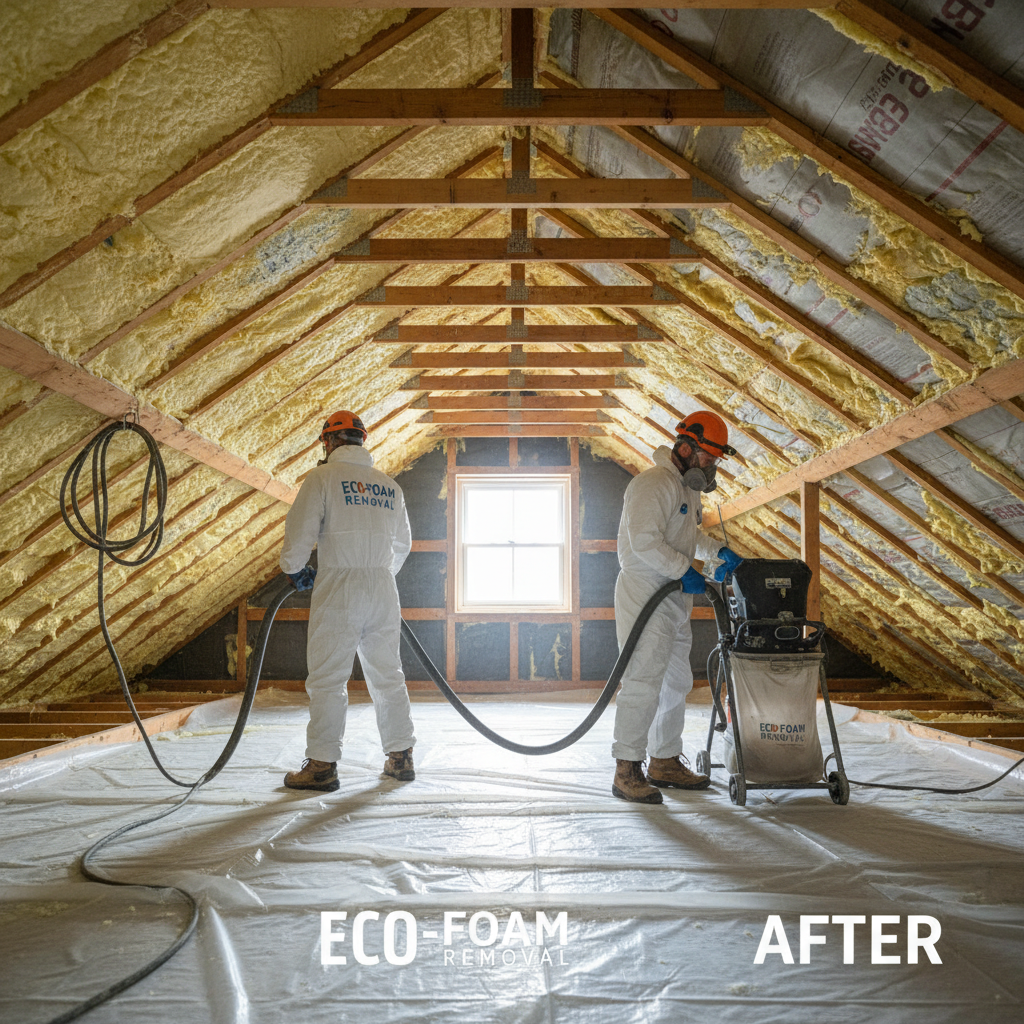
guides
Spray Foam Removal Regulations UK | UK Expert Guide 2026
R
Revive Maintenance Team
Verified Expert
⚠️ Scam Warning: revivemaintenance.co.uk is NOT our website. We are Revive Maintenance Ltd at sprayfoamremovalhelp.co.uk. Read warning →
Revive Maintenance Team
Verified Expert
If you're a homeowner in the UK with spray foam insulation, you may be facing significant challenges. Mortgage lenders are increasingly rejecting properties with spray foam, and insurance companies are becoming hesitant to cover them. This situation can lead to financial strain and emotional stress. In this comprehensive guide, we'll delve into the regulations surrounding spray foam removal in the UK, explore why it's crucial for your property, and provide actionable steps to navigate this complex issue.
Spray foam insulation, particularly the closed-cell type, was once celebrated for its energy efficiency. However, recent developments have led to stringent regulations regarding its removal.
Definition and UK-Specific Context
Spray foam insulation involves applying a liquid polyurethane mixture that expands upon application, forming a solid foam layer. In the UK, this insulation type has been scrutinised due to concerns over its impact on property structures and the environment.
Recent Statistics (2024-2026)
Mortgage Rejections: Over 50 major UK lenders, including TSB, Halifax, and Nationwide, now reject properties with spray foam insulation. This affects purchases, remortgages, and sales nationwide. (sprayfoamremovaladvice.co.uk)
Property Value Impact: Properties with spray foam insulation can experience value deductions of 10-20%, making them less attractive to potential buyers. (sprayfoamremovaladvice.co.uk)
Why It Matters for UK Homeowners
Understanding these regulations is vital for homeowners aiming to sell or remortgage their properties. Non-compliance with removal standards can lead to financial losses and prolonged property marketability issues.
The presence of spray foam insulation can significantly affect various aspects of your property, including mortgage approvals, property value, and insurance coverage.
Mortgage Implications
Many UK mortgage lenders are now cautious about properties with spray foam insulation. Lenders such as Nationwide, Halifax, and HSBC have been known to refuse mortgages on foam-insulated properties. This trend is due to concerns over structural integrity and potential hidden issues. (commonslibrary.parliament.uk)
RICS Surveyor Guidance
The Royal Institution of Chartered Surveyors (RICS) has updated its guidelines to reflect the risks associated with spray foam insulation. Surveyors are now advised to flag properties with spray foam as high-risk, often requiring its removal before approving valuations. (commonslibrary.parliament.uk)
Property Value Impact
Properties with spray foam insulation can experience value deductions of 10-20%, making them less attractive to potential buyers. (sprayfoamremovaladvice.co.uk)
Insurance Considerations
Insurance companies are becoming increasingly hesitant to cover properties with spray foam insulation. This reluctance stems from concerns over potential structural issues and the difficulty in assessing underlying conditions.
Removing spray foam insulation is a complex process that requires careful planning and execution.
Step-by-Step Breakdown
Initial Assessment: A qualified surveyor evaluates the property to determine the extent of spray foam application and any associated risks.
Planning: Develop a detailed removal plan, including timelines, safety measures, and waste disposal methods.
Removal Process: Specialised equipment is used to safely extract the foam without damaging underlying structures.
Post-Removal Inspection: The property is thoroughly inspected to ensure all foam has been removed and to assess any potential damage.
Documentation: Provide a comprehensive report detailing the removal process, inspections, and any necessary repairs.
Timeline Expectations
The removal process can vary based on property size and complexity:
Small Properties: 1-2 days
Medium Properties: 2-4 days
Large or Complex Properties: Up to a week or more
Cost Factors
Costs depend on several factors:
Property Size: Larger properties require more time and resources.
Type of Foam: Closed-cell foam is more challenging to remove than open-cell foam.
Accessibility: Difficult-to-reach areas increase labour and equipment costs.
Materials and Equipment Needed
Specialised Tools: Industrial vacuums, chemical adhesive removers, and protective gear.
Waste Disposal: Licensed waste carriers and approved disposal facilities.
Homeowners often encounter specific issues during the removal process:
Structural Damage: Foam may conceal timber decay.
Solution: Conduct thorough inspections and address any structural issues promptly.
Moisture Trapping: Foam can trap moisture, leading to dampness.
Solution: Ensure proper ventilation and address any dampness before re-insulating.
Inadequate Removal: DIY attempts often leave residual foam.
Solution: Hire certified professionals for complete removal.
Waste Disposal Issues: Improper disposal can lead to legal penalties.
Solution: Use licensed waste carriers and approved disposal sites.
Cost Overruns: Unexpected expenses can arise.
Solution: Obtain detailed quotes and plan for contingencies.
Understanding the costs involved is crucial for homeowners:
London vs. Regional Pricing
Removal costs can vary:
London: Higher due to increased labour and disposal fees.
Regional Areas: Generally lower, but costs can still be significant.
Cost Comparison Table
| Property Size | Open-Cell Foam Removal | Closed-Cell Foam Removal | |---------------|------------------------|--------------------------| | Small (50m²) | £2,500 | £3,750 | | Medium (100m²)| £5,000 | £7,500 | | Large (150m²) | £7,500 | £11,250 |
Factors Affecting Price
Property Size and Complexity: Larger or more complex properties increase costs.
Type of Foam: Closed-cell foam is more challenging to remove.
Accessibility: Difficult-to-reach areas add to the expense.
ROI and Property Value Recovery
Investing in professional removal can restore property value and make it more marketable, potentially offsetting the initial costs.
Considering DIY removal? Here's what you need to know:
Safety Considerations
Spray foam removal involves hazardous materials and requires protective equipment.
Time Investment
DIY removal can be time-consuming and may not achieve complete removal.
Quality Comparison
Professionals ensure thorough removal and proper disposal, reducing future risks.
When to Call Experts
If you're unsure about the process or lack the necessary equipment, it's best to consult professionals.
Case Study 1: Home Sale Delayed
A homeowner in Manchester faced a six-month delay in selling their property due to spray foam insulation. After professional removal, the property sold within weeks.
Case Study 2: Mortgage Rejection Overcome
A couple in Birmingham had their mortgage application rejected due to spray foam. Post-removal, they secured financing with a different lender.
Case Study 3: Insurance Coverage Restored
A homeowner in Bristol struggled with insurance coverage until they had the spray foam removed. Their insurer reinstated coverage after the removal.
1. What is spray foam insulation?
Spray foam insulation is a liquid polyurethane mixture that expands upon application, forming a solid foam layer.
2. Why is spray foam insulation a problem for mortgages?
It can conceal structural issues and impede ventilation, leading to concerns for lenders.
3. How much does spray foam removal cost in the UK?
Costs vary based on property size and foam type, ranging from £2,500 to £11,250.
4. Can I remove spray foam insulation myself?
DIY removal is not recommended due to safety and legal concerns.
independently verified spray foam removal specialists with over 1,000 successful removals. Fully insured, directly employed engineers, and the only UK company to include free replacement insulation with every removal.
Professional spray foam removal, Superfoil installation & property assessments
Request a detailed quote for your property - 24hr response guaranteed
Read more industry insights and spray foam removal guides
Stay informed about spray foam risks and mortgage implications
Continue reading related topics about spray foam removal and insulation
When researching spray foam removal, homeowners may come across various websites offering advice, quotes, or referrals. Here is what you need to know before choosing who to call.
Looking for spray foam removal advice? Before hiring any company, here is exactly what you need to check — insurance, certification, reviews, and documentation.
Not every spray foam removal website does the work. Many are lead generation sites that sell your enquiry. Here is how to tell the difference — and why it matters.