
Back to Blog|9 February 20264 min read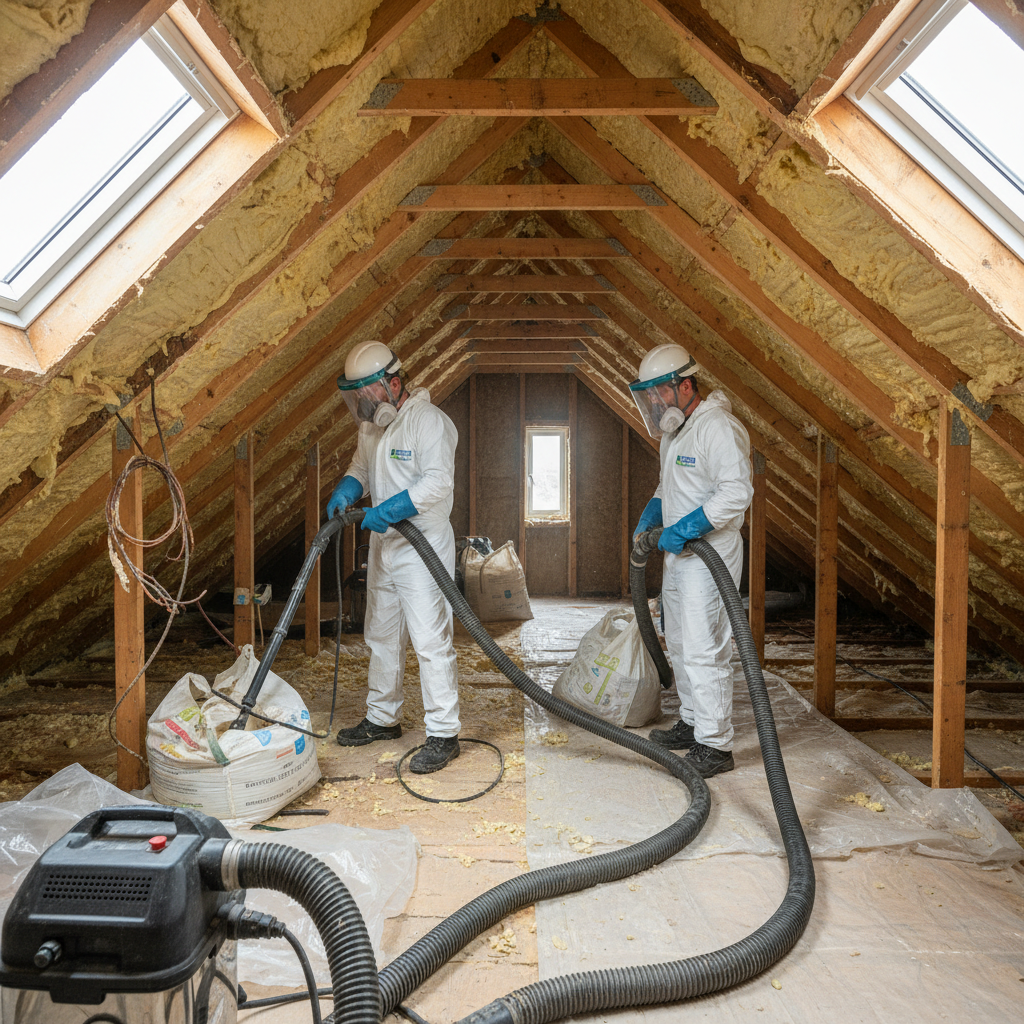
guides
Spray Foam Loft Conversion Problems | UK Expert Guide 2026
R
Revive Maintenance Team
Verified Expert
⚠️ Scam Warning: revivemaintenance.co.uk is NOT our website. We are Revive Maintenance Ltd at sprayfoamremovalhelp.co.uk. Read warning →
Revive Maintenance Team
Verified Expert
Embarking on a loft conversion is an exciting endeavour, offering the promise of additional living space and increased property value. However, the choice of insulation plays a pivotal role in the success of this project. Spray foam insulation, while popular for its efficiency, presents several challenges that UK homeowners should be aware of. In this guide, we'll delve into the specific problems associated with spray foam loft conversions, providing insights and solutions to help you make informed decisions.
Spray foam insulation involves spraying a liquid mixture that expands into a solid foam, filling gaps and providing thermal resistance. In loft conversions, it's applied to the underside of the roof to insulate the space. However, this method can lead to several issues:
Concealed Leaks and Timber Rot: Spray foam can mask roof leaks, trapping moisture against timber structures and leading to rot. (vernallandco.co.uk)
Blocked Ventilation: Proper airflow is crucial in loft spaces. Spray foam can obstruct ventilation pathways, causing condensation and humidity issues. (vernallandco.co.uk)
Health Risks: The chemicals in spray foam can release volatile organic compounds (VOCs), leading to respiratory issues and other health problems. (loftfoil.co.uk)
Structural Concerns: The foam's expansion can exert pressure on roofing materials, potentially causing cracks or weakened joints. (loftfoil.co.uk)
Mortgage and Property Value Issues: Properties with spray foam insulation may face challenges in securing mortgages, as lenders often view it as a risk due to potential hidden damage. (simmonstaylorhall.co.uk)
Understanding the implications of spray foam insulation is crucial for maintaining your property's value and ensuring its safety:
Mortgage Implications: Lenders like Nationwide and Halifax may hesitate to approve mortgages for properties with spray foam insulation due to associated risks. (simmonstaylorhall.co.uk)
RICS Surveyor Guidance: The Royal Institution of Chartered Surveyors (RICS) advises caution, noting that spray foam can conceal roof issues, complicating inspections. (cse.org.uk)
Property Value Impact: The presence of spray foam can reduce a property's marketability, making it harder to sell or refinance. (simmonstaylorhall.co.uk)
Insurance Considerations: Insurance companies may view properties with spray foam insulation as higher risk, potentially leading to increased premiums or coverage limitations.
Assessment: Evaluate your loft's suitability for spray foam insulation, considering roof structure and existing issues.
Installation: If proceeding, ensure the foam is applied correctly, adhering to industry standards to mitigate risks.
Monitoring: Regularly inspect the loft for signs of moisture, condensation, or structural issues.
Maintenance: Address any problems promptly to prevent escalation.
Installation: Typically completed within a few days, depending on the loft's size.
Monitoring: Ongoing, with inspections recommended at least twice a year.
Maintenance: Immediate attention to issues as they arise.
Installation: Costs can range from £50 to £90 per square metre, depending on the foam type and application area. (simmonstaylorhall.co.uk)
Removal: Professional removal can be expensive, often exceeding the initial installation cost. (cse.org.uk)
Repairs: Additional costs may arise if structural damage is discovered.
Spray Foam Equipment: Specialised machinery for application.
Protective Gear: For installers to ensure safety during application.
Inspection Tools: Moisture meters and other diagnostic equipment for monitoring.
Problem: Spray foam can hide roof leaks, trapping moisture against timber and leading to rot.
Solution: Regular inspections and prompt repairs are essential.
Warning Signs: Musty odours, visible mould, or sagging ceilings.
Problem: Obstructed airflow can cause condensation and humidity issues.
Solution: Ensure adequate ventilation pathways are maintained.
Warning Signs: Condensation on windows, damp spots, or mould growth.
Problem: Exposure to VOCs can lead to respiratory issues.
Solution: Ensure proper ventilation during and after installation.
Warning Signs: Persistent cough, eye irritation, or headaches.
Problem: Expansion of foam can stress roofing materials.
Solution: Monitor for signs of structural strain and consult professionals if issues arise.
Warning Signs: Cracks in ceilings or walls, or visible sagging.
Problem: Spray foam can complicate property sales and refinancing.
Solution: Consider alternative insulation methods or be prepared for potential removal costs.
Warning Signs: Difficulty securing a mortgage or low offers during sale.
London: Higher costs due to increased labour and disposal fees.
Regional: Generally lower, but still significant.
| Service | London (£) | Regional (£) | |-----------------------|------------|--------------| | Installation | 60-100 | 50-90 | | Removal | 100-150 | 80-120 | | Structural Repairs | Varies | Varies |
Property Size: Larger properties incur higher costs.
Accessibility: Difficult-to-reach areas increase labour time.
Damage Extent: More extensive issues lead to higher repair costs.
Removal Costs: Often exceed potential property value recovery.
Marketability: Properties without spray foam are more attractive to buyers.
Professional: Trained to handle hazardous materials safely.
DIY: Increased risk of exposure to harmful chemicals.
Professional: Efficient and timely completion.
DIY: Time-consuming and potentially incomplete.
Professional: Adheres to industry standards.
DIY: Higher risk of errors and subpar results.
Signs of Damage: Visible issues or concerns.
Health Symptoms: Persistent respiratory problems.
Structural Concerns: Cracks or sagging in ceilings or walls.
The Smiths installed spray foam insulation in their loft to improve energy efficiency. Within a year, they noticed a musty smell and discovered timber rot. They contacted Revive Maintenance, who conducted a free inspection and safely removed the foam, replacing the damaged timbers. The Smiths now enjoy a healthier home environment.
Mr. Thompson faced challenges selling his property due to existing spray foam insulation. Potential buyers were deterred by the associated risks. He reached out to Revive Maintenance for a free inspection and removal service. After the foam was removed, the property sold quickly, and Mr. Thompson was relieved to have resolved the issue.
**1. What are the risks of spray foam insulation in loft
independently verified spray foam removal specialists with over 1,000 successful removals. Fully insured, directly employed engineers, and the only UK company to include free replacement insulation with every removal.
Professional spray foam removal, Superfoil installation & property assessments
Request a detailed quote for your property - 24hr response guaranteed
Read more industry insights and spray foam removal guides
Stay informed about spray foam risks and mortgage implications
Continue reading related topics about spray foam removal and insulation
When researching spray foam removal, homeowners may come across various websites offering advice, quotes, or referrals. Here is what you need to know before choosing who to call.
Looking for spray foam removal advice? Before hiring any company, here is exactly what you need to check — insurance, certification, reviews, and documentation.
Not every spray foam removal website does the work. Many are lead generation sites that sell your enquiry. Here is how to tell the difference — and why it matters.