
Back to Blog|10 February 20264 min read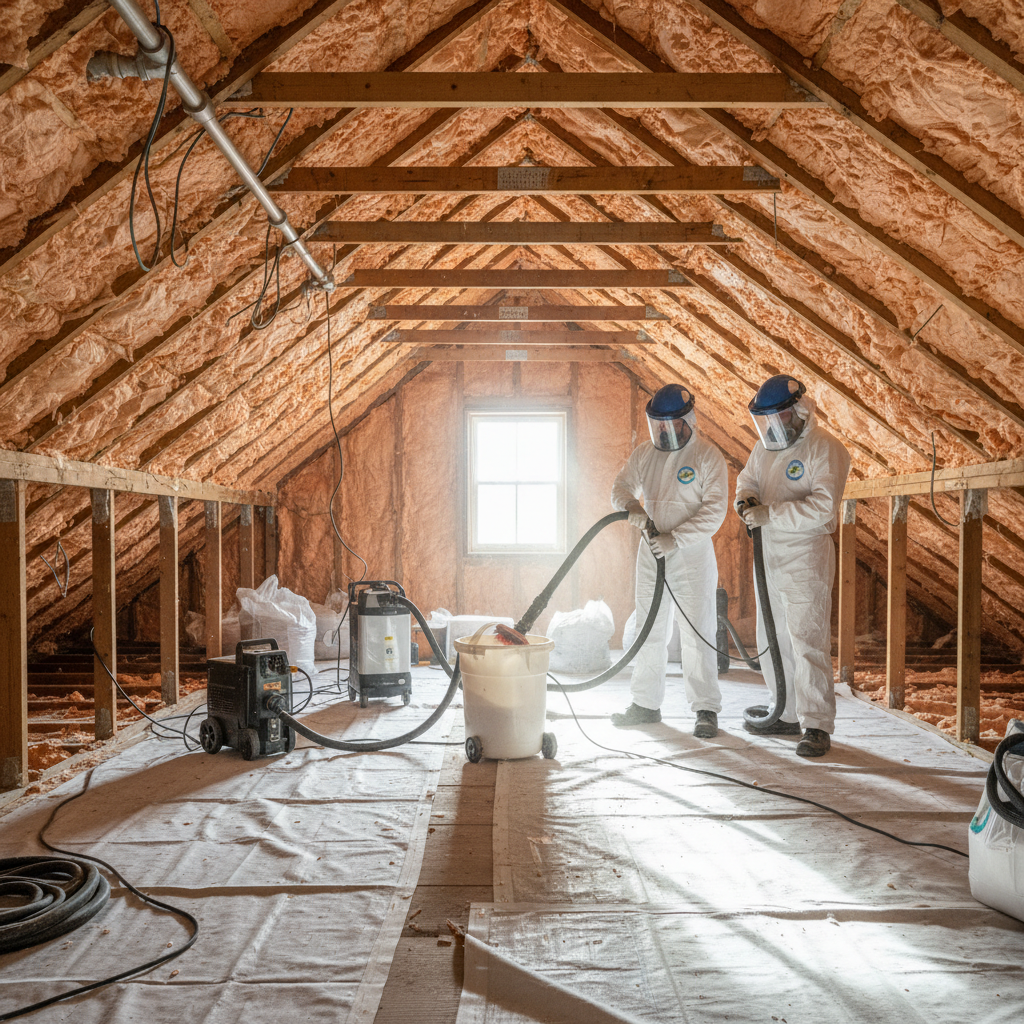
guides
Spray Foam Condensation Problems | UK Expert Guide 2026
R
Revive Maintenance Team
Verified Expert
⚠️ Scam Warning: revivemaintenance.co.uk is NOT our website. We are Revive Maintenance Ltd at sprayfoamremovalhelp.co.uk. Read warning →
Revive Maintenance Team
Verified Expert
Meta Description: Discover comprehensive insights into spray foam condensation problems, their impact on UK properties, and expert solutions. Learn how Revive Maintenance can assist with spray foam removal services.
URL: /spray-foam-condensation-problems-uk
Introduction
Imagine investing in your home's insulation, only to find that it leads to hidden issues like timber rot, mould growth, and potential mortgage complications. Spray foam insulation, once hailed as a cost-effective solution for energy efficiency, has been linked to significant condensation problems in UK homes. Understanding these issues is crucial for homeowners seeking to protect their property and financial interests.
In this comprehensive guide, we'll delve into the causes and consequences of spray foam condensation problems, explore expert solutions, and provide actionable steps to safeguard your home. With over 20 years of experience in property maintenance and spray foam removal, Revive Maintenance is here to assist you every step of the way.
Spray foam insulation is a popular method for enhancing energy efficiency by sealing gaps and reducing heat loss. However, when applied incorrectly or without proper ventilation, it can trap moisture within roof spaces, leading to condensation issues.
Definition and Causes
Condensation occurs when warm, moist air comes into contact with cooler surfaces, leading to water droplets forming. In the context of spray foam insulation, this trapped moisture can result in:
Timber Rot and Decay: Persistent moisture can weaken wooden structures, compromising the roof's integrity.
Mould and Mildew Growth: Damp environments foster the growth of mould and mildew, posing health risks to occupants.
Metal Corrosion: Metal components can rust and corrode when exposed to prolonged moisture.
UK-Specific Context
In the UK, approximately 250,000 homes have spray foam insulation. A 2025 survey by the Property Care Association (PCA) found that 35% of these properties exhibited defects due to condensation, with 27% requiring major interventions like roof replacement. (mortgagesolutions.co.uk)
Why It Matters for UK Homeowners
Condensation problems can lead to significant repair costs, decreased property value, and challenges in selling or remortgaging. Understanding these issues is vital for maintaining your home's structural integrity and financial stability.
The presence of spray foam insulation can have profound implications for your property's value, mortgage prospects, and insurance coverage.
Mortgage Implications
Many UK mortgage lenders are cautious about properties with spray foam insulation due to potential structural issues. For instance, TSB Bank and Skipton Building Society have policies requiring the removal of spray foam before approving mortgages. (independent.co.uk)
RICS Surveyor Guidance
The Royal Institution of Chartered Surveyors (RICS) advises that spray foam insulation can affect a surveyor's valuation of a property. If applied incorrectly, it may lead to structural concerns, impacting the property's market value. (rics.org)
Property Value Impact
Properties with spray foam insulation may face reduced marketability and lower valuations. Potential buyers and lenders often view these homes as higher risk, leading to decreased demand and property value.
Insurance Considerations
Insurance companies may impose higher premiums or exclusions for properties with spray foam insulation due to the associated risks. It's essential to review your policy and consult with your insurer to understand coverage specifics.
Addressing spray foam condensation issues involves a systematic approach to identify, assess, and remediate the problem.
Step-by-Step Breakdown
Initial Assessment: Conduct a thorough inspection of the property to identify signs of condensation, such as dampness, mould, or timber decay.
Moisture Measurement: Use moisture meters to quantify the extent of moisture within the roof space and affected materials.
Ventilation Evaluation: Assess the existing ventilation system to determine if it meets the requirements for moisture control.
Spray Foam Removal: If necessary, safely remove the existing spray foam insulation to prevent further moisture entrapment.
Remediation: Address any structural damage, treat mould, and ensure all materials are dry before re-insulating.
Re-Insulation: Apply appropriate insulation materials, ensuring proper ventilation to prevent future condensation.
Timeline Expectations
The remediation process can vary based on the property's size and the extent of the issues. Typically, homeowners can expect the following timeline:
Initial Assessment and Moisture Measurement: 1-2 days
Spray Foam Removal: 2-5 days
Remediation and Drying: 1-2 weeks
Re-Insulation: 2-3 days
Cost Factors
Costs can vary based on property size, severity of the issue, and required interventions. On average, homeowners might expect to pay:
Spray Foam Removal: £3,200 for a three-bedroom detached house
Remediation and Repairs: £5,000 - £15,000
Re-Insulation: £2,000 - £5,000
Materials and Equipment Needed
Moisture Meters: For assessing moisture levels
Protective Gear: For safe removal of spray foam
Dehumidifiers: To aid in drying out affected areas
Insulation Materials: Appropriate for the property's needs
Homeowners may encounter various issues related to spray foam condensation. Here are some common problems and expert solutions:
1. Timber Rot and Decay
Problem: Trapped moisture leads to the deterioration of wooden structures.
Solution: Remove the spray foam, treat the affected timber, and ensure proper ventilation to prevent recurrence.
2. Mould and Mildew Growth
Problem: Damp conditions foster mould and mildew, posing health risks.
Solution: Address moisture sources, clean affected areas, and improve ventilation to eliminate mould.
3. Metal Corrosion
Problem: Moisture causes rust and corrosion on metal components.
Solution: Replace corroded parts, remove spray foam, and ensure adequate ventilation to protect metal elements.
4. Reduced Property Value
Problem: Potential buyers are deterred by spray foam-related issues.
Solution: Invest in professional removal and remediation to restore property value.
5. Mortgage Challenges
Problem: Lenders may refuse mortgages on properties with spray foam insulation.
Solution: Remove the spray foam to meet lender requirements and facilitate property transactions.
6. Insurance Complications
Problem: Higher premiums or exclusions due to spray foam-related risks.
Solution: Consult with insurers and consider removal to ensure comprehensive coverage.
7. Difficulty in Property Inspection
Problem: Spray foam obstructs roof inspections, complicating property assessments.
Solution: Remove the spray foam to allow thorough inspections and accurate valuations.
Understanding the financial implications of spray foam condensation issues is essential for homeowners.
London vs. Regional Pricing
Costs can vary based on location, with London typically having higher labour and material costs. However, the severity of the issue and property size are more significant factors influencing overall expenses.
Cost Comparison Table
| Service | Estimated Cost (UK) | |-----------------------------|---------------------| | Spray Foam Removal | £3,200 | | Remediation and Repairs | £5,000 - £15,000 | | Re-Insulation | £2,000 - £5,000 |
Factors Affecting Price
Property Size: Larger properties may incur higher costs.
Severity of Issue: Extensive damage requires more resources.
Location: Labour and material costs vary by region.
ROI and Property Value Recovery
Investing in professional removal and remediation can restore property value and marketability, often leading to a positive return on investment.
Deciding between professional services and DIY approaches involves considering several factors.
Safety Considerations
Handling spray foam and associated materials can be hazardous without proper training and equipment.
Time Investment
DIY projects may extend over a
independently verified spray foam removal specialists with over 1,000 successful removals. Fully insured, directly employed engineers, and the only UK company to include free replacement insulation with every removal.
Professional spray foam removal, Superfoil installation & property assessments
Request a detailed quote for your property - 24hr response guaranteed
Read more industry insights and spray foam removal guides
Stay informed about spray foam risks and mortgage implications
Continue reading related topics about spray foam removal and insulation
When researching spray foam removal, homeowners may come across various websites offering advice, quotes, or referrals. Here is what you need to know before choosing who to call.
Looking for spray foam removal advice? Before hiring any company, here is exactly what you need to check — insurance, certification, reviews, and documentation.
Not every spray foam removal website does the work. Many are lead generation sites that sell your enquiry. Here is how to tell the difference — and why it matters.