
Back to Blog|17 February 20265 min read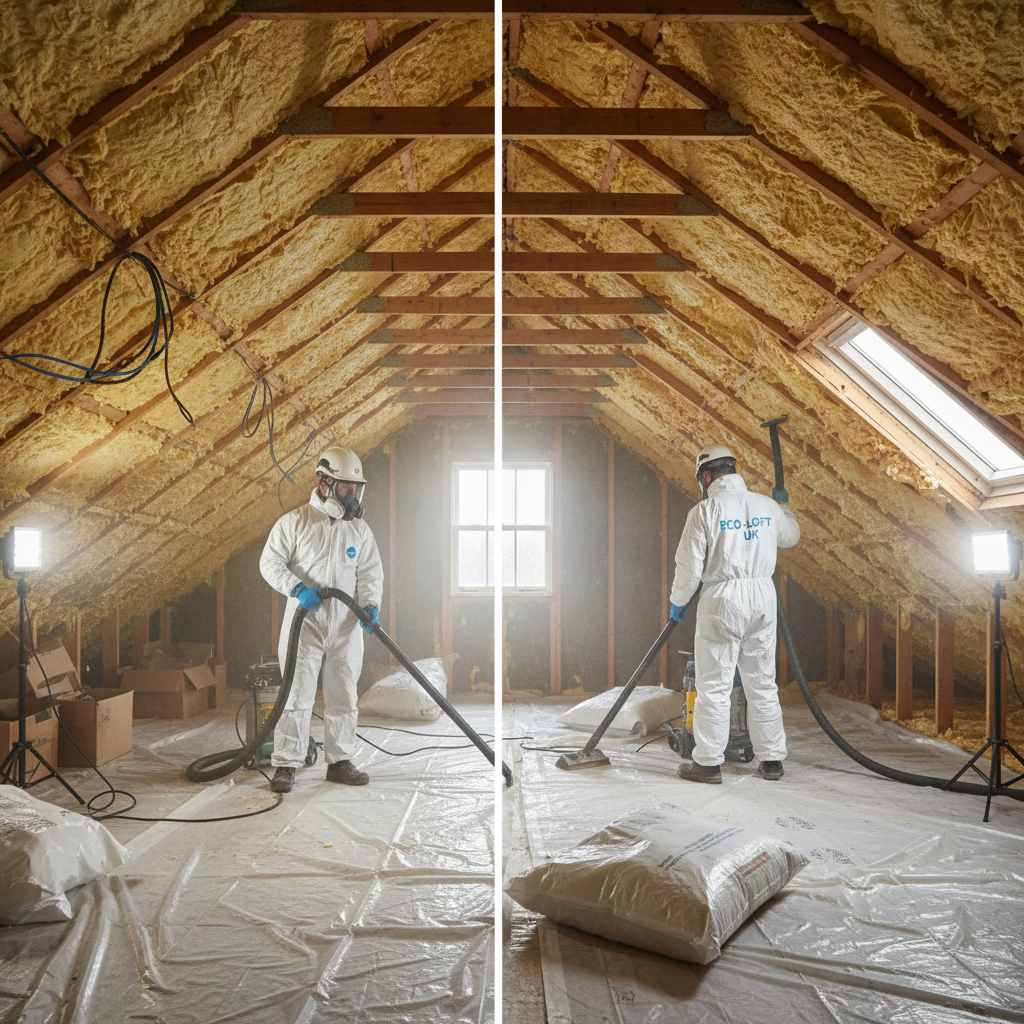
guides
Spray Foam Mortgage Problems UK | UK Expert Guide 2026
R
Revive Maintenance Team
Verified Expert
⚠️ Scam Warning: revivemaintenance.co.uk is NOT our website. We are Revive Maintenance Ltd at sprayfoamremovalhelp.co.uk. Read warning →
Revive Maintenance Team
Verified Expert
Imagine investing in your dream home, only to find that securing a mortgage becomes an insurmountable challenge due to the presence of spray foam insulation. This scenario has become increasingly common in the UK, leaving homeowners frustrated and financially strained. In this comprehensive guide, we'll delve into the intricacies of spray foam mortgage problems in the UK, exploring their causes, implications, and the steps you can take to resolve them. With over a decade of experience in the industry and certifications from leading UK property associations, Revive Maintenance is your trusted partner in navigating these challenges.
Spray foam insulation, while effective in enhancing energy efficiency, has been linked to significant mortgage-related issues in the UK. When applied to roof spaces, spray foam creates an airtight barrier that conceals underlying structures, making it difficult for surveyors to assess the condition of timber rafters, joists, and roofing materials. This lack of visibility raises concerns about potential structural damage, moisture retention, and the overall integrity of the property.
Recent Statistics (2024-2026):
Over 250,000 UK homes have spray foam insulation. (hoa.org.uk)
More than a third of homes with spray foam have been found to have one or more defects. (mortgagesolutions.co.uk)
Why It Matters for UK Homeowners:
These issues have led to widespread mortgage refusals, property devaluation, and increased remediation costs, significantly impacting homeowners' financial stability and property marketability.
Major UK lenders, including Nationwide, Halifax, and Santander, have stringent policies regarding properties with spray foam insulation. Surveyors often classify these homes as "unmortgageable" due to the inability to inspect roof structures adequately. This has resulted in:
Mortgage Refusals: Lenders declining applications outright.
Property Down-Valuations: Reduced property valuations, affecting loan-to-value ratios.
Remortgage Challenges: Existing homeowners facing difficulties in refinancing.
The Royal Institution of Chartered Surveyors (RICS) has highlighted concerns about spray foam insulation, emphasizing:
Inspection Limitations: Difficulty in assessing roof timbers due to foam coverage.
Moisture Risks: Potential for trapped moisture leading to timber decay.
Structural Integrity: Challenges in verifying the condition of underlying structures.
Properties with spray foam insulation often experience:
Reduced Marketability: Limited buyer interest due to mortgage challenges.
Decreased Valuations: Valuers applying discounts to account for potential issues.
Increased Sale Times: Extended periods on the market, leading to potential financial strain.
Insurance providers may:
Policy Exclusions: Exclude coverage for issues related to spray foam insulation.
Increased Premiums: Raise premiums due to perceived higher risk.
Claim Denials: Deny claims linked to structural problems caused by foam insulation.
Engage a certified professional to conduct a thorough evaluation of your property. This assessment should include:
Inspection: Detailed examination of roof structures and insulation quality.
Documentation: Gathering of all installation records and certifications.
Reporting: Comprehensive report outlining findings and recommendations.
Timeline: 1-2 days for assessment.
Cost: Typically £400-£800, depending on property size.
Secure multiple quotes from certified spray foam removal specialists. Ensure that:
Scope of Work: Includes complete removal of spray foam insulation.
Documentation: Provision of certificates and reports upon completion.
Warranty: Offers a warranty on the removal work.
Timeline: 1-2 weeks to receive and review quotes.
Cost: Removal costs can range from £8,000 to £25,000, depending on property size and complexity.
Engage a qualified company to perform the removal, ensuring:
Safety Protocols: Adherence to strict safety standards to protect property and occupants.
Structural Protection: Measures to prevent damage to underlying structures during removal.
Compliance: Work meets all regulatory requirements and industry standards.
Timeline: Typically 2-5 days for removal work.
Cost: Varies based on property size and complexity.
After removal, obtain:
Completion Certificate: Documenting that removal was performed to standard.
Inspection Report: Confirming the condition of roof structures post-removal.
Ventilation Compliance: Ensuring proper ventilation is restored.
Timeline: 1-2 days to receive documentation.
Cost: Often included in removal service fees.
With all documentation in hand:
Submit Documentation: Provide lenders with certificates and reports.
Negotiate Terms: Discuss mortgage terms and conditions based on the updated property status.
Timeline: Varies based on lender response times.
Cost: Minimal, primarily administrative.
Problem: Lender declines application due to spray foam insulation.
Solution: Remove spray foam insulation and provide lenders with the necessary documentation to demonstrate the property's compliance.
Problem: Surveyor reduces property valuation due to spray foam concerns.
Solution: After removal, request a re-valuation to reflect the property's true market value.
Problem: Existing lender refuses remortgage due to spray foam.
Solution: Complete removal and obtain certification to present to the lender for reconsideration.
Problem: Buyers' mortgage applications fail due to spray foam.
Solution: Remove foam before listing or adjust sale price to account for removal costs.
London vs. Regional Pricing:
London: Higher labour and disposal costs; removal may range from £10,000 to £30,000.
Regional Areas: Lower costs; removal may range from £8,000 to £25,000.
Factors Affecting Price:
Property Size: Larger properties require more time and resources.
Foam Type: Closed-cell foam is more challenging to remove than open-cell.
Accessibility: Difficult-to-reach areas increase labour time.
ROI and Property Value Recovery:
Investing in professional removal can restore property value, making it eligible for mortgages and increasing its marketability. Homeowners often recoup removal costs through higher sale prices and easier transactions.
Safety Considerations:
Professional: Trained to handle hazardous materials and ensure structural integrity.
DIY: Risk of injury and potential property damage.
Time Investment:
Professional: Efficient removal within a set timeframe.
DIY: Time-consuming and potentially incomplete.
Quality Comparison:
Professional: Guaranteed quality with proper documentation.
DIY: Uncertain quality and lack of certification.
When to Call Experts:
If you encounter mortgage issues due to spray foam insulation, it's advisable to consult professionals like Revive Maintenance to ensure safe and effective removal.
independently verified spray foam removal specialists with over 1,000 successful removals. Fully insured, directly employed engineers, and the only UK company to include free replacement insulation with every removal.
Professional spray foam removal, Superfoil installation & property assessments
Request a detailed quote for your property - 24hr response guaranteed
Read more industry insights and spray foam removal guides
Stay informed about spray foam risks and mortgage implications
Continue reading related topics about spray foam removal and insulation
When researching spray foam removal, homeowners may come across various websites offering advice, quotes, or referrals. Here is what you need to know before choosing who to call.
Looking for spray foam removal advice? Before hiring any company, here is exactly what you need to check — insurance, certification, reviews, and documentation.
Not every spray foam removal website does the work. Many are lead generation sites that sell your enquiry. Here is how to tell the difference — and why it matters.