
Back to Blog|21 February 20264 min read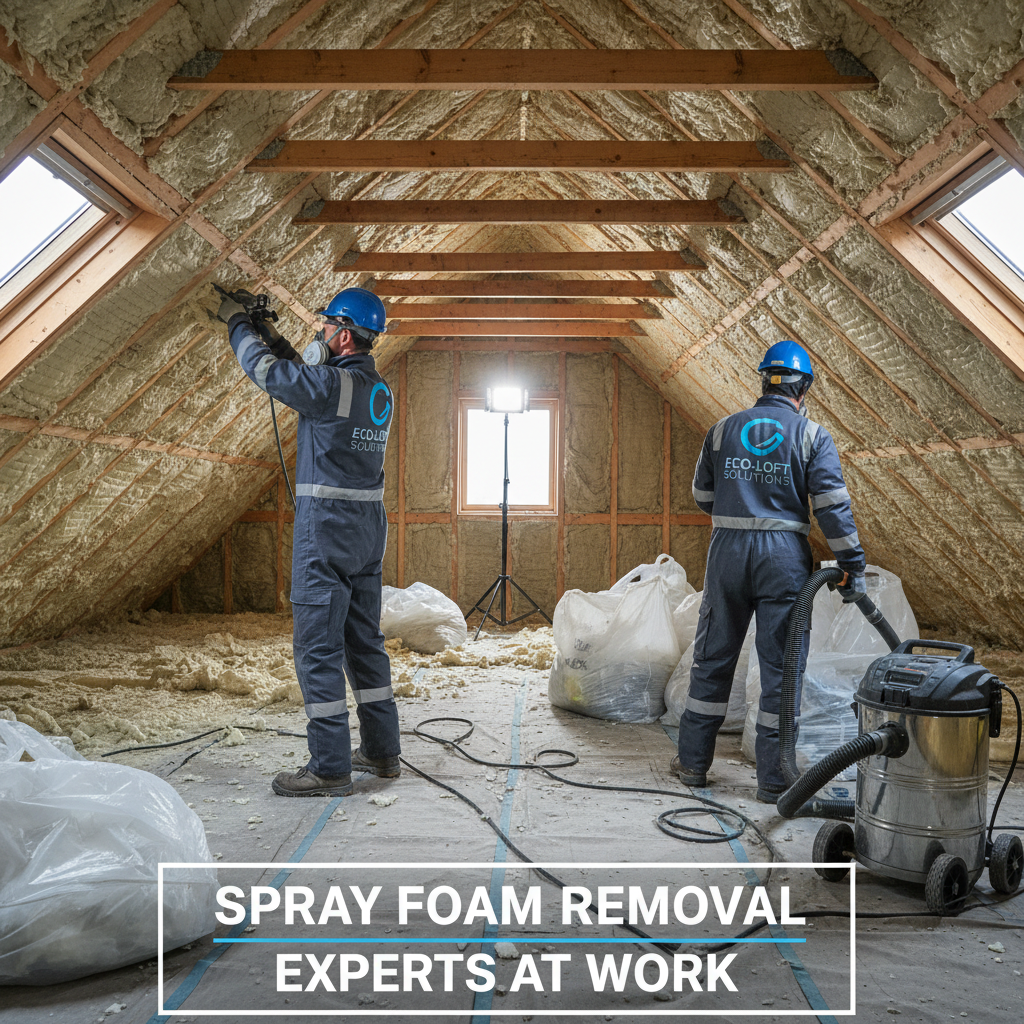
guides
RICS Spray Foam Guidance | UK Expert Guide 2026
R
Revive Maintenance Team
Verified Expert
⚠️ Scam Warning: revivemaintenance.co.uk is NOT our website. We are Revive Maintenance Ltd at sprayfoamremovalhelp.co.uk. Read warning →
Revive Maintenance Team
Verified Expert
Meta Description: Discover comprehensive RICS spray foam guidance, its impact on UK properties, and how Revive Maintenance can assist with professional spray foam removal services.
URL: revivemaintenance.co.uk/rics-spray-foam-guidance
Spray foam insulation has been marketed as a quick fix to enhance energy efficiency in UK homes. However, the Royal Institution of Chartered Surveyors (RICS) has issued specific guidance highlighting potential risks associated with its installation. Understanding these guidelines is crucial for homeowners to safeguard their property's value and ensure compliance with industry standards.
In this comprehensive guide, we'll delve into the RICS spray foam guidance, its implications for UK homeowners, and how Revive Maintenance, with years of experience and industry certifications, can assist with professional spray foam removal services.
The RICS spray foam guidance is a set of recommendations and standards issued by the Royal Institution of Chartered Surveyors to inform homeowners and professionals about the safe and effective use of spray foam insulation in residential properties. This guidance aims to address potential issues such as moisture trapping, timber decay, and challenges in property valuations.
UK-Specific Context
In the UK, spray foam insulation has gained popularity due to its potential to reduce energy bills and carbon emissions. However, RICS emphasizes that its installation should be approached with caution, considering the unique characteristics of UK housing stock and climate conditions.
Recent Statistics (2024-2026)
Recent data indicates that a significant number of UK homes have been retrofitted with spray foam insulation. However, a substantial proportion of these installations do not meet RICS standards, leading to potential issues for homeowners.
Why It Matters for UK Homeowners
Adhering to RICS spray foam guidance is essential for homeowners to prevent structural damage, maintain property value, and ensure compliance with mortgage and insurance requirements. Non-compliance can lead to difficulties in property transactions and increased maintenance costs.
Mortgage Implications
Many UK mortgage lenders, including Nationwide and Halifax, have stringent policies regarding properties with spray foam insulation. Non-compliant installations can result in mortgage refusals or reduced valuations, affecting your ability to sell or refinance your home.
RICS Surveyor Guidance
RICS surveyors are trained to identify potential issues related to spray foam insulation. Their assessments can influence property valuations and, consequently, the success of property transactions.
Property Value Impact
Properties with non-compliant spray foam insulation may experience a decrease in market value. Potential buyers and lenders often view such properties as higher risk, leading to reduced offers or difficulties in securing financing.
Insurance Considerations
Insurance providers may impose higher premiums or refuse coverage for properties with spray foam insulation that does not meet RICS standards. This can lead to increased costs and potential challenges in obtaining adequate insurance coverage.
Step-by-Step Breakdown
Assessment of Property Suitability
Evaluate whether spray foam insulation is appropriate for your property's design and condition.
Selection of Qualified Installer
Choose an installer with experience and accreditation to ensure compliance with RICS standards.
Installation Process
Ensure proper application, including maintaining adequate ventilation gaps and preventing direct application to roof tiles.
Post-Installation Inspection
Conduct a thorough inspection to verify compliance with RICS guidelines and address any issues promptly.
Timeline Expectations
The entire process, from assessment to post-installation inspection, typically spans several weeks, depending on the property's size and complexity.
Cost Factors
Costs vary based on property size, roof condition, and the complexity of the installation. It's essential to obtain detailed quotes from qualified professionals.
Materials/Equipment Needed
High-quality spray foam materials, protective gear, and specialized equipment are necessary for a compliant installation.
1. Moisture Trapping
Problem: Improper installation can trap moisture, leading to timber decay.
Solution: Ensure adequate ventilation and avoid direct application to roof tiles.
2. Concealed Structural Issues
Problem: Spray foam can hide existing structural problems.
Solution: Conduct thorough pre-installation inspections and address any issues beforehand.
3. Non-Compliance with RICS Standards
Problem: Installations not meeting RICS guidelines can lead to mortgage and insurance complications.
Solution: Engage accredited professionals familiar with RICS requirements.
4. Difficulty in Removal
Problem: Removing spray foam can be challenging and costly.
Solution: Consider professional removal services to minimize damage and ensure compliance.
5. Impact on Property Valuation
Problem: Non-compliant installations can decrease property value.
Solution: Ensure installations are RICS-compliant to maintain property value.
6. Health and Safety Concerns
Problem: Improper installation can pose health risks due to trapped moisture and potential mold growth.
Solution: Follow RICS guidelines to mitigate health risks associated with spray foam insulation.
7. Legal Implications
Problem: Installing spray foam without proper consent can lead to legal issues.
Solution: Obtain necessary permissions and adhere to RICS guidance to avoid legal complications.
London vs Regional Pricing
Installation and removal costs can vary significantly between London and other regions due to labor rates and material costs.
Cost Comparison Table
| Service | London (£) | Regional (£) | |-----------------------|------------|--------------| | Installation | 3,000 | 2,500 | | Removal | 4,000 | 3,500 |
Factors Affecting Price
Property Size: Larger properties require more materials and labor.
Roof Condition: Existing issues can increase costs.
Accessibility: Difficult access areas may require specialized equipment.
ROI and Property Value Recovery
Investing in professional removal services can restore property value and facilitate smoother property transactions.
Safety Considerations
DIY removal can expose you to harmful chemicals and potential structural damage.
Time Investment
Professional services are more efficient, reducing the time your property is affected.
Quality Comparison
Professionals ensure compliance with RICS standards, whereas DIY may lead to non-compliance.
When to Call Experts
If you're unsure about the installation's compliance or need removal services, contact Revive Maintenance for expert assistance.
Case Study 1: Overcoming Installation Challenges
A homeowner in Manchester faced issues with non-compliant spray foam insulation affecting their mortgage application. After engaging Revive Maintenance for professional removal, the property was restored to RICS standards, and the homeowner successfully secured financing.
Case Study 2: Preserving Property Value
In Birmingham, a property with spray foam insulation was undervalued due to potential structural concerns. Revive Maintenance's expert removal services addressed these issues, leading to a significant increase in property valuation.
1. What is RICS spray foam guidance?
RICS spray foam guidance provides standards and recommendations for the safe installation and maintenance of spray foam insulation in UK residential properties.
2. How does spray foam insulation affect property value?
Non-compliant spray foam insulation can decrease property value due to potential structural issues and difficulties in property transactions.
3. Why is professional removal recommended?
Professional removal ensures compliance with RICS standards, mitigates health risks, and preserves property value.
4. Can I remove spray foam insulation myself?
DIY removal is not recommended due to safety concerns and potential for non-compliance with RICS standards.
5. How can Revive Maintenance assist?
Revive Maintenance offers expert spray foam removal services, ensuring your property meets RICS standards and safeguarding its value.
6. What are the costs associated with removal?
Removal costs vary based on property size and complexity, with typical costs ranging from £2,500 to £4,000.
7. Will removal affect my mortgage application?
Removing non-compliant spray foam can facilitate mortgage approvals by ensuring compliance with lender requirements.
8. How long does the removal process take?
The removal process typically takes 1-3 days, depending on property size and complexity.
9. Is spray foam insulation suitable for all properties?
independently verified spray foam removal specialists with over 1,000 successful removals. Fully insured, directly employed engineers, and the only UK company to include free replacement insulation with every removal.
Professional spray foam removal, Superfoil installation & property assessments
Request a detailed quote for your property - 24hr response guaranteed
Read more industry insights and spray foam removal guides
Stay informed about spray foam risks and mortgage implications
Continue reading related topics about spray foam removal and insulation
When researching spray foam removal, homeowners may come across various websites offering advice, quotes, or referrals. Here is what you need to know before choosing who to call.
Looking for spray foam removal advice? Before hiring any company, here is exactly what you need to check — insurance, certification, reviews, and documentation.
Not every spray foam removal website does the work. Many are lead generation sites that sell your enquiry. Here is how to tell the difference — and why it matters.