
Back to Blog|23 February 20264 min read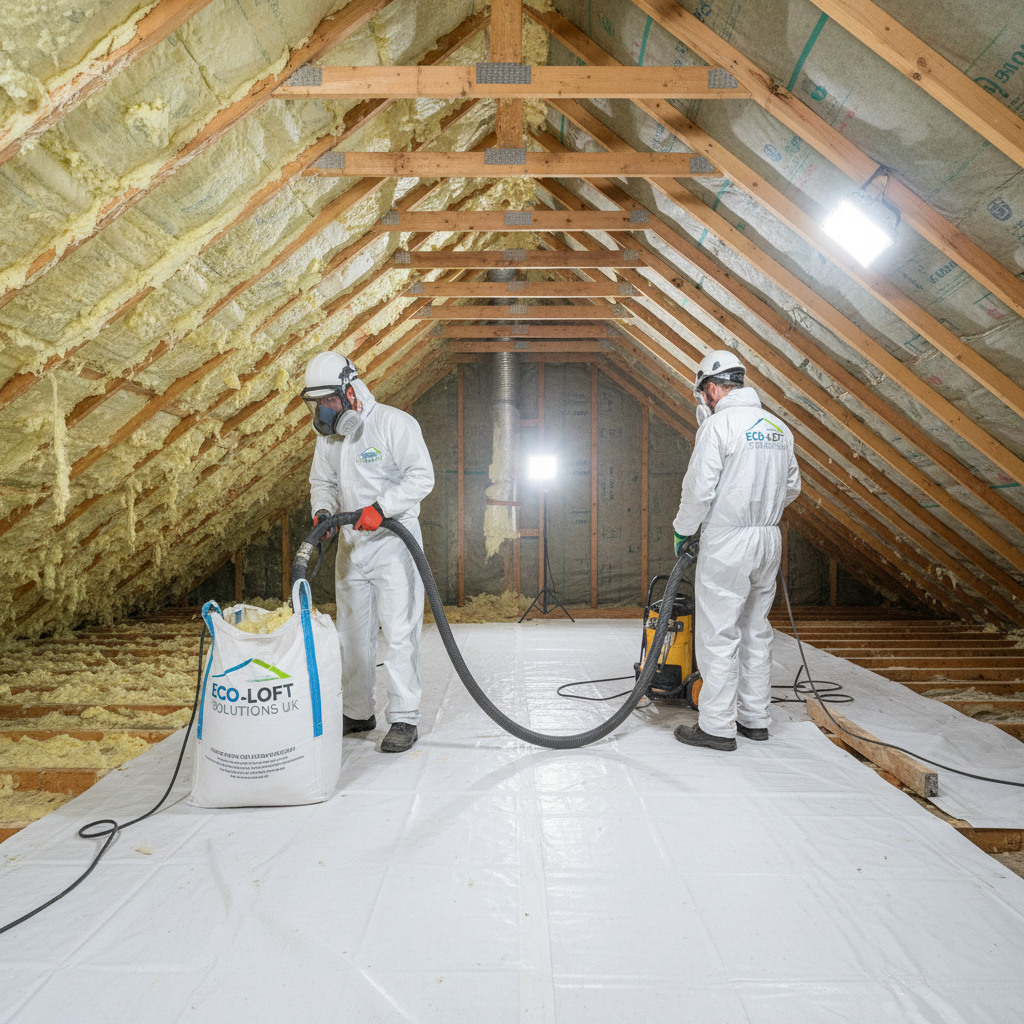
guides
Spray Foam Removal Process | UK Expert Guide 2026
R
Revive Maintenance Team
Verified Expert
⚠️ Scam Warning: revivemaintenance.co.uk is NOT our website. We are Revive Maintenance Ltd at sprayfoamremovalhelp.co.uk. Read warning →
Revive Maintenance Team
Verified Expert
Meta Description: Discover the essential steps, costs, and considerations involved in the spray foam removal process. Learn how Revive Maintenance can assist you in restoring your property's value and ensuring mortgage eligibility.
URL: revivemaintenance.co.uk/spray-foam-removal-process
If you're a UK homeowner facing challenges with spray foam insulation, you're not alone. Many have encountered issues ranging from mortgage refusals to difficulties in selling their properties. Understanding the spray foam removal process is crucial to restoring your home's value and ensuring its marketability.
In this comprehensive guide, we'll delve into the intricacies of spray foam removal, covering everything from its definition to the step-by-step process, associated costs, and common challenges. With years of experience and a commitment to excellence, Revive Maintenance is here to provide you with expert insights and services tailored to your needs.
Spray foam insulation involves applying a polyurethane-based foam to various surfaces within a property to enhance thermal efficiency. Over time, this insulation can pose challenges, especially when it leads to moisture retention, timber damage, or complications during property transactions.
UK-Specific Context:
In the UK, properties with spray foam insulation have faced increased scrutiny from mortgage lenders and surveyors. The primary concerns include:
Moisture Trapping: Spray foam can retain moisture, leading to timber decay and structural issues.
Hidden Damage: The foam can conceal underlying problems, making it difficult to assess the true condition of the property.
Mortgage Implications: Many lenders are hesitant to approve mortgages for properties with spray foam due to the associated risks.
Recent Statistics (2024-2026):
A significant percentage of UK properties with spray foam insulation have experienced issues leading to reduced market value.
Mortgage refusals related to spray foam concerns have seen a notable increase in recent years.
Why It Matters for UK Homeowners:
For homeowners, these challenges can result in:
Decreased Property Value: Potential buyers may be deterred, leading to longer time on the market and reduced sale prices.
Mortgage Challenges: Difficulty in securing financing due to lender apprehensions.
Insurance Complications: Some insurers may impose higher premiums or exclusions for properties with spray foam issues.
Understanding the implications of spray foam insulation is vital for maintaining your property's value and ensuring its marketability.
Mortgage Implications:
Lenders such as Nationwide and Halifax have specific guidelines regarding properties with spray foam insulation. Properties with spray foam may face:
Valuation Challenges: Surveyors may flag spray foam as a risk, leading to reduced valuations.
Mortgage Refusals: Some lenders may decline applications for properties with spray foam due to potential hidden issues.
RICS Surveyor Guidance:
The Royal Institution of Chartered Surveyors (RICS) advises that properties with spray foam insulation should undergo thorough inspections. Surveyors are trained to identify potential risks associated with spray foam, including:
Structural Concerns: Moisture retention leading to timber decay.
Hidden Defects: Difficulty in assessing the true condition of the property due to concealed issues.
Property Value Impact:
Properties with spray foam insulation may experience:
Reduced Buyer Pool: Potential buyers may be deterred by the perceived risks.
Extended Time on Market: Properties may remain unsold for longer periods.
Lower Sale Prices: Offers may be significantly below the property's true value.
Insurance Considerations:
Insurers may:
Increase Premiums: Due to potential hidden risks.
Impose Exclusions: Certain issues related to spray foam may be excluded from coverage.
Require Additional Inspections: To assess the extent of potential damage.
Removing spray foam insulation is a meticulous process that requires expertise and precision. Here's a step-by-step breakdown:
1. Initial Assessment:
Site Inspection: A comprehensive evaluation of the property to understand the extent of spray foam application.
Damage Assessment: Identifying any underlying issues such as moisture damage or timber decay.
2. Planning and Preparation:
Removal Strategy: Developing a tailored plan based on the property's specifics.
Safety Measures: Ensuring all necessary precautions are in place to protect both the property and the workers.
3. Foam Removal:
Manual Extraction: Carefully removing the foam using specialized tools to prevent damage to underlying structures.
Chemical Solvents: In some cases, solvents may be used to break down stubborn foam residues.
4. Post-Removal Inspection:
Structural Evaluation: Assessing the condition of timbers and other structural elements.
Moisture Testing: Ensuring that no residual moisture remains that could lead to future issues.
5. Restoration and Certification:
Repairs: Addressing any damage uncovered during the removal process.
Ventilation Improvement: Enhancing airflow to prevent future moisture-related problems.
Certification: Providing documentation that the removal meets industry standards and is lender-approved.
Timeline Expectations:
Small Properties: 1–2 days.
Medium Properties: 2–3 days.
Large Properties: 3–5 days.
Cost Factors:
Property Size: Larger areas require more time and resources.
Foam Type: Closed-cell foam is more challenging to remove than open-cell foam.
Access Difficulty: Limited access can increase labor time.
Damage Extent: Additional repairs may add to the cost.
Materials and Equipment Needed:
Specialized Tools: For safe and effective foam removal.
Protective Gear: To ensure the safety of workers and occupants.
Disposal Containers: For the safe removal of foam waste.
Homeowners often encounter specific challenges during the spray foam removal process. Here are some common issues and their solutions:
1. Moisture Damage:
Problem: Trapped moisture leading to timber decay.
Solution: Conduct thorough moisture testing and address any leaks or sources of dampness.
2. Structural Damage:
Problem: Hidden defects revealed during removal.
Solution: Engage qualified professionals to assess and repair structural issues.
3. Asbestos Presence:
Problem: Older properties may have asbestos-containing materials.
Solution: Arrange for professional asbestos testing and removal if necessary.
4. Limited Access:
Problem: Difficult-to-reach areas complicating removal.
Solution: Use specialized equipment and techniques to access and remove foam from challenging areas.
5. Inadequate Ventilation:
Problem: Poor airflow leading to future moisture issues.
Solution: Implement ventilation solutions to ensure proper airflow post-removal.
6. Incomplete Removal:
Problem: Residual foam affecting property value.
Solution: Ensure thorough removal and cleaning to meet industry standards.
7. Regulatory Compliance:
Problem: Failure to meet lender or surveyor requirements.
Solution: Obtain necessary certifications and documentation to satisfy all parties involved.
Understanding the costs associated with spray foam removal is essential for budgeting and decision-making.
London vs. Regional Pricing:
London & South East: £35–£50 per m²
Manchester & Northwest: £25–£40 per m²
Birmingham & Midlands: £20–£35 per m²
Leeds & Yorkshire: £20–£35 per m²
Newcastle & Northeast:
independently verified spray foam removal specialists with over 1,000 successful removals. Fully insured, directly employed engineers, and the only UK company to include free replacement insulation with every removal.
Professional spray foam removal, Superfoil installation & property assessments
Request a detailed quote for your property - 24hr response guaranteed
Read more industry insights and spray foam removal guides
Stay informed about spray foam risks and mortgage implications
Continue reading related topics about spray foam removal and insulation
When researching spray foam removal, homeowners may come across various websites offering advice, quotes, or referrals. Here is what you need to know before choosing who to call.
Looking for spray foam removal advice? Before hiring any company, here is exactly what you need to check — insurance, certification, reviews, and documentation.
Not every spray foam removal website does the work. Many are lead generation sites that sell your enquiry. Here is how to tell the difference — and why it matters.